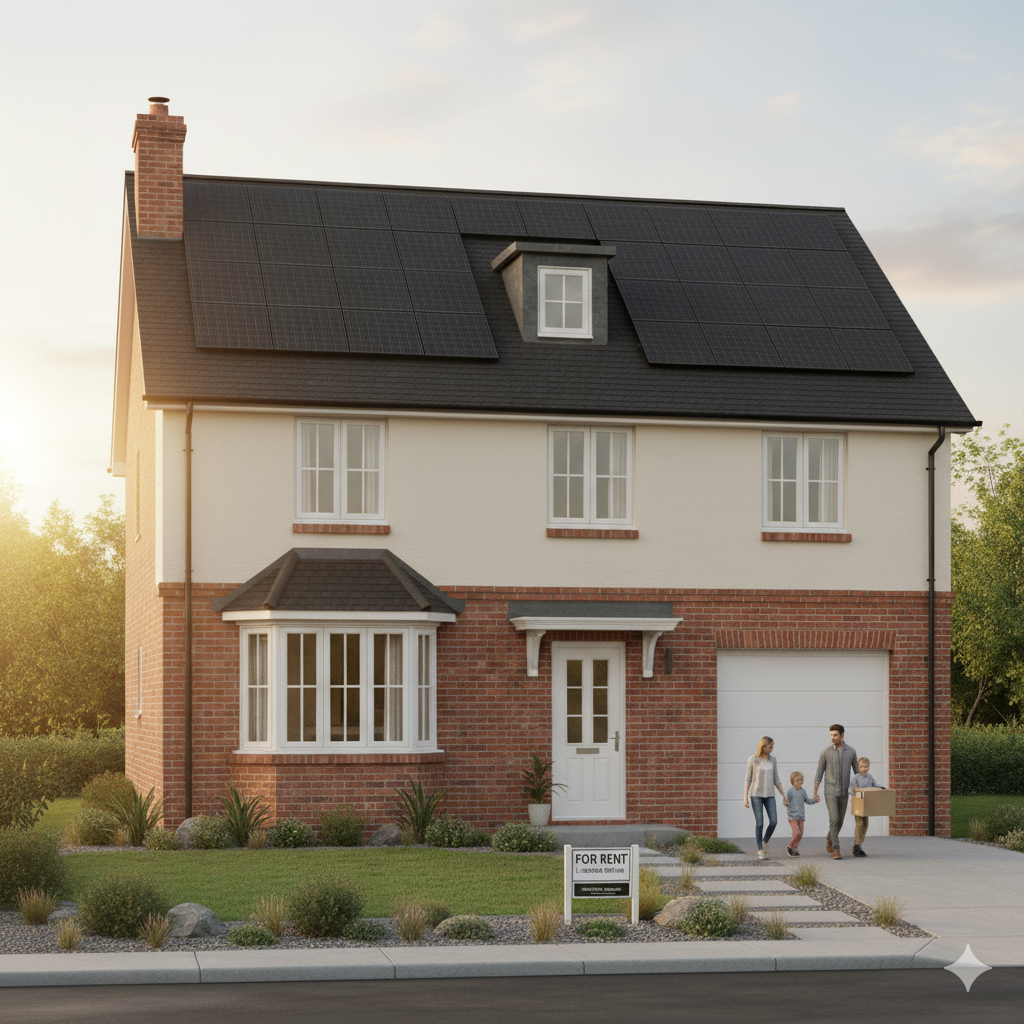
Can You Install Solar on a Rental Property? Here’s What You Need to Know
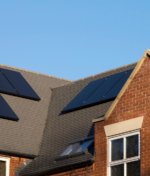
The roof of a property is valuable, whether you own it or rent it. With energy bills continuing to rise and demand for greener living on the up, both landlords and tenants are recognising the advantages of solar energy.
Installing solar on a rented home can be a little more complex than on an owned property, but it’s certainly achievable. At Solar Suffolk, we’ve broken down everything landlords and tenants need to know, from funding to permissions.
Who Pays for Solar Panels on a Rental Property?
Landlord Funded Installations
In most situations, it’s the landlord who would cover the cost of a solar PV installation. Solar panels become a fixed feature of the home, boosting long term property value and improving its Energy Performance Certificate (EPC) rating. A stronger EPC not only makes the property more attractive to tenants but may also allow landlords to command higher rental income.
Tenant Funded Installations
In cases where the tenants have a long term rental agreement, they may choose to fund or co-fund an installation, particularly if they’ll be the main beneficiaries of the savings. The tenant gains lower electricity bills, more energy independence and a greener lifestyle. The main challenge lies in what happens if they move before the system has paid for itself, so it’s essential to agree terms clearly in advance.
Who Benefits From Solar in a Rental Property?
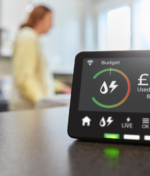
That depends on the agreement. Typically, tenants benefit from lower electricity costs, especially if they can use the power while its being generated. If the landlord retains the SEG (Smart Export Guarantee) payments for surplus electricity, they can recoup some of their investment. Some landlords also adjust rent slightly to reflect the property’s improved energy efficiency.
Permissions and Legal Requirements
Landlords must make sure all planning rules, DNO (Distribution Network Operator) approvals and building regulations are in place before installation. Tenants need to be informed about any work and disruption.
If a tenant is financing the system, written permission from the landlord is required before anything can be installed.
It is also worth noting that EPC band C or above may soon become a legal requirement for rental homes and solar panels are a reliable way to boost EPC ratings at least one grade.
At Solar Suffolk, we always recommend working with an MCS certified installer and choosing an EPVS accredited installer for full transparency on performance and savings estimates.
How Solar Suffolk Can Help
For years, we’ve been helping landlords across Suffolk and the surrounding areas transform rental properties into energy efficient homes.
- MCS certified installers for guaranteed quality
- EPVS Gold Members for honest, transparent performance estimates
- Trusted local experts who know the Suffolk property market
We’ll assess your roof’s potential, talk you through finance options and highlight any grants available. We also offer annual maintenance checks and ongoing support, ensuring both landlords and tenants feel confident about their investment.
Solar for Rented Homes is a Win-Win
Solar panels on rental properties are not only possible, they’re becoming increasingly common. With the right agreement in place, both landlords and tenants can enjoy the financial and environmental rewards of clean energy.
Ready to Explore Your Options?
Contact Solar Suffolk today for a free no obligation design, tailored to your property and energy goals. No pushy sales, just expert, local advice.
Solar on your roof. Power in your hands.